About the garda - Get to know us!
About the guarda
Pelecus cultratus (Pelecus cultratus) is a species of carp in the order Cypriniformes of the class Actinopterygii, in the family Cyprinidae. It is the only species of its genus. Other names are: ray swordfish (in some sources synonymised), Balaton herring, swordfish, swordfish, sabo or leader swordfish. In Hungary, it was one of the three candidates in the 2014 Fish of the Year election
Garda has always been a priority for Tihany, so it is no coincidence that the Garda Festival has been held here for 16 years. A centuries-old tradition has been revived, a tradition that was known only in this place and had its roots only here. The phrase “fish you see” is inextricably linked to Tihany and the brave fishermen who once lived here. So much so that, although only the memory of the former chards still survives, the fish itself has become part of the town’s coat of arms.
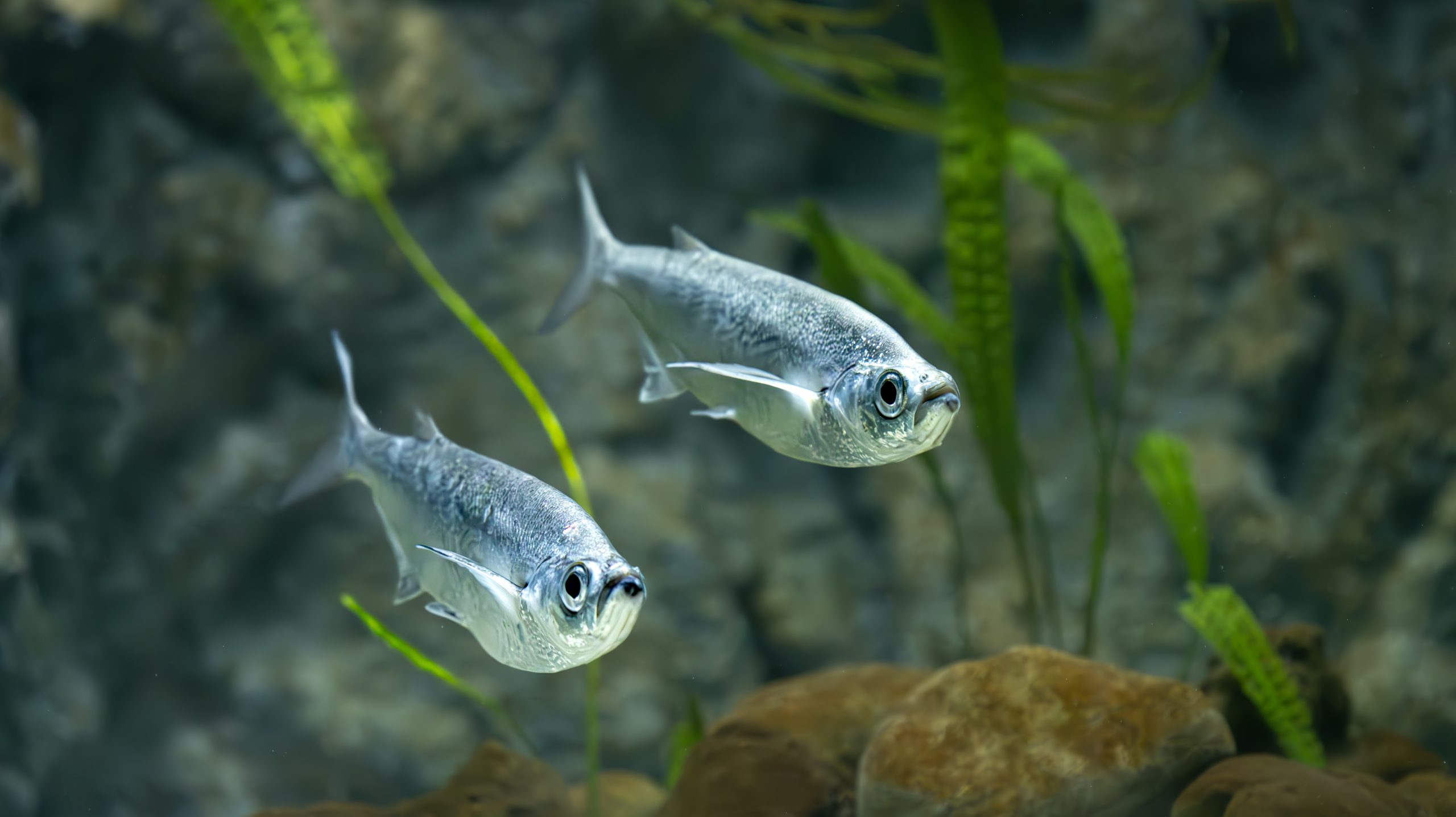

Catching the ‘seen fish’, the garda, may have become a speciality of the Tihany people because of the presence of the near-water hills needed to observe the shoals of fish. In the autumn, when the gardas would gather in gangs, one of the members of the fishing bush, the so-called ‘hill walker’, would watch them from one of the hills of Tihany. At the end of autumn, the guards gathered in large groups in the Tihany Strait, mostly around the Tihany well (the deepest point of Lake Balaton: 11m), where a strong current was often observed.
The blue-green backed banding garda species can be observed as floating dark white from the surrounding hills. When the hill walker saw the shoal moving, he alerted his companions and the fishing for walleye would begin. The hillwalker was an important post, usually one of the experienced, good-eyed fishermen was assigned the task. He had to know Lake Balaton well, the movement of the water and the location of the seaweed areas. Conventional signs were used to help those on the water to set their nets and to close in on the guards.
The garda was the “bread fish” of the Tihany people, the barter that local women took to the surrounding villages to exchange for flour and grain. Some of the fish was transported by the fishmongers – the “fisérek” – to nearby markets and restaurants. What was left was not wasted. They were smoked or hung on strings to dry. The fish preserved in this way was left for the leaner days.
Fishing on Lake Balaton was a very hard bread and butter business. The fishermen risked their lives for very little pay.
For Tihany, the Garda has always been a priority, and it is no coincidence that the Garda Festival has been held here for 16 years. It is the revival of a centuries-old tradition, a tradition that was known only in this place and had its roots only here. The phrase “fish you see” is inextricably linked to Tihany and the brave fishermen who once lived here. So much so that, although only the memory of the former chards still survives, the fish itself has become part of the town’s coat of arms.